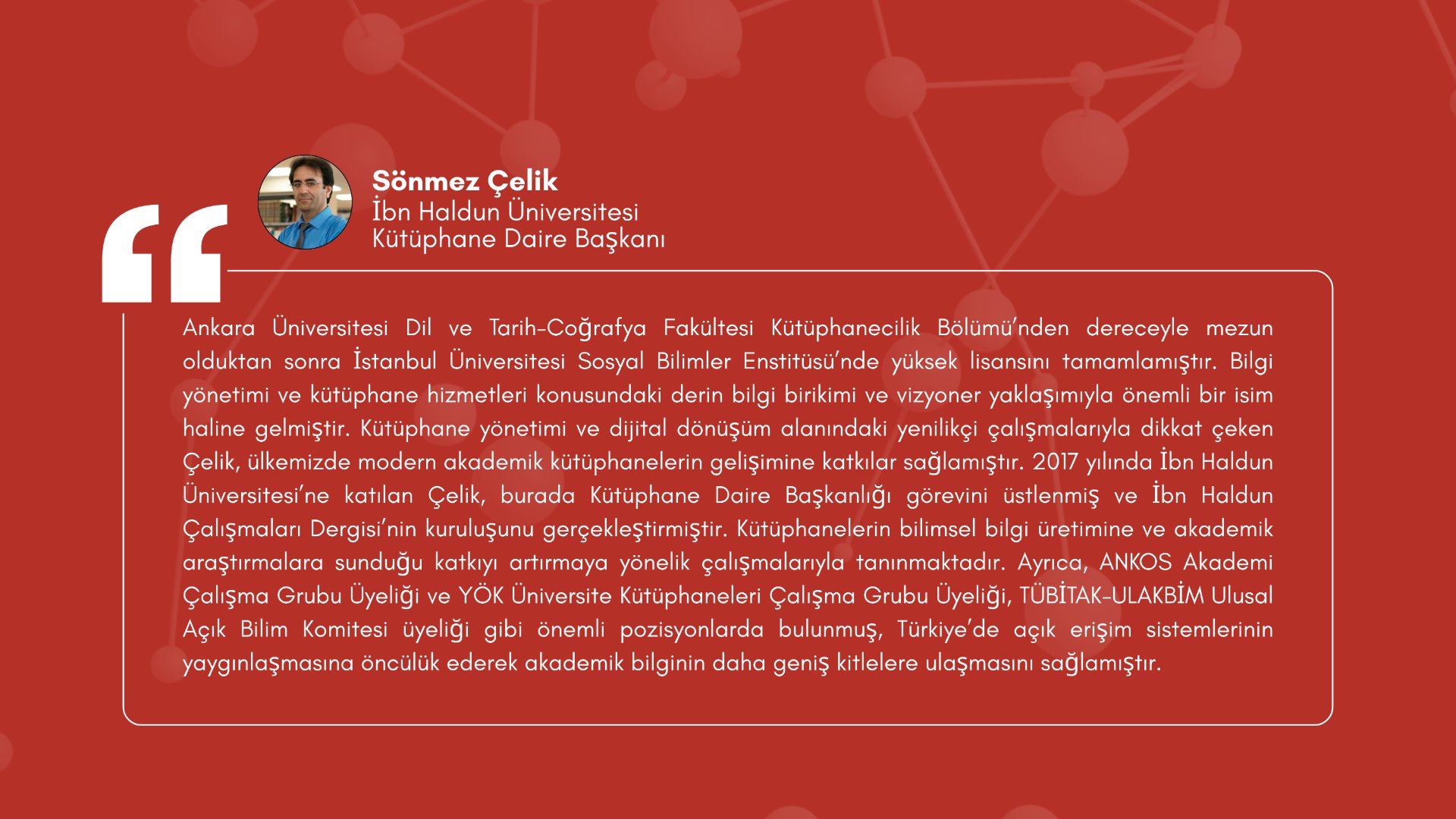
A Chapter by Sönmez Çelik, Director of the Library Department, Was Included in the Book 'Artificial Intelligence Technologies in Education'

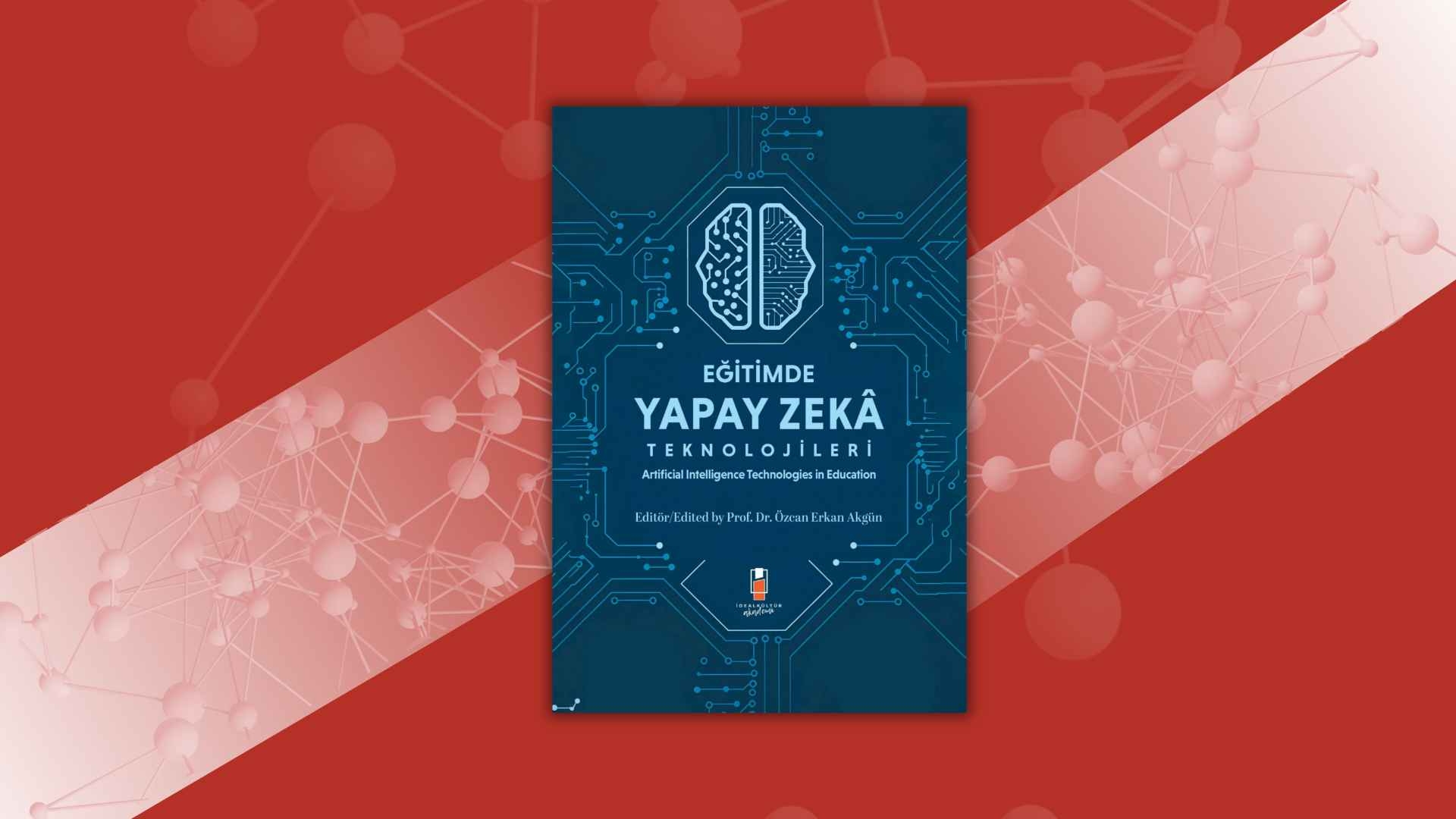
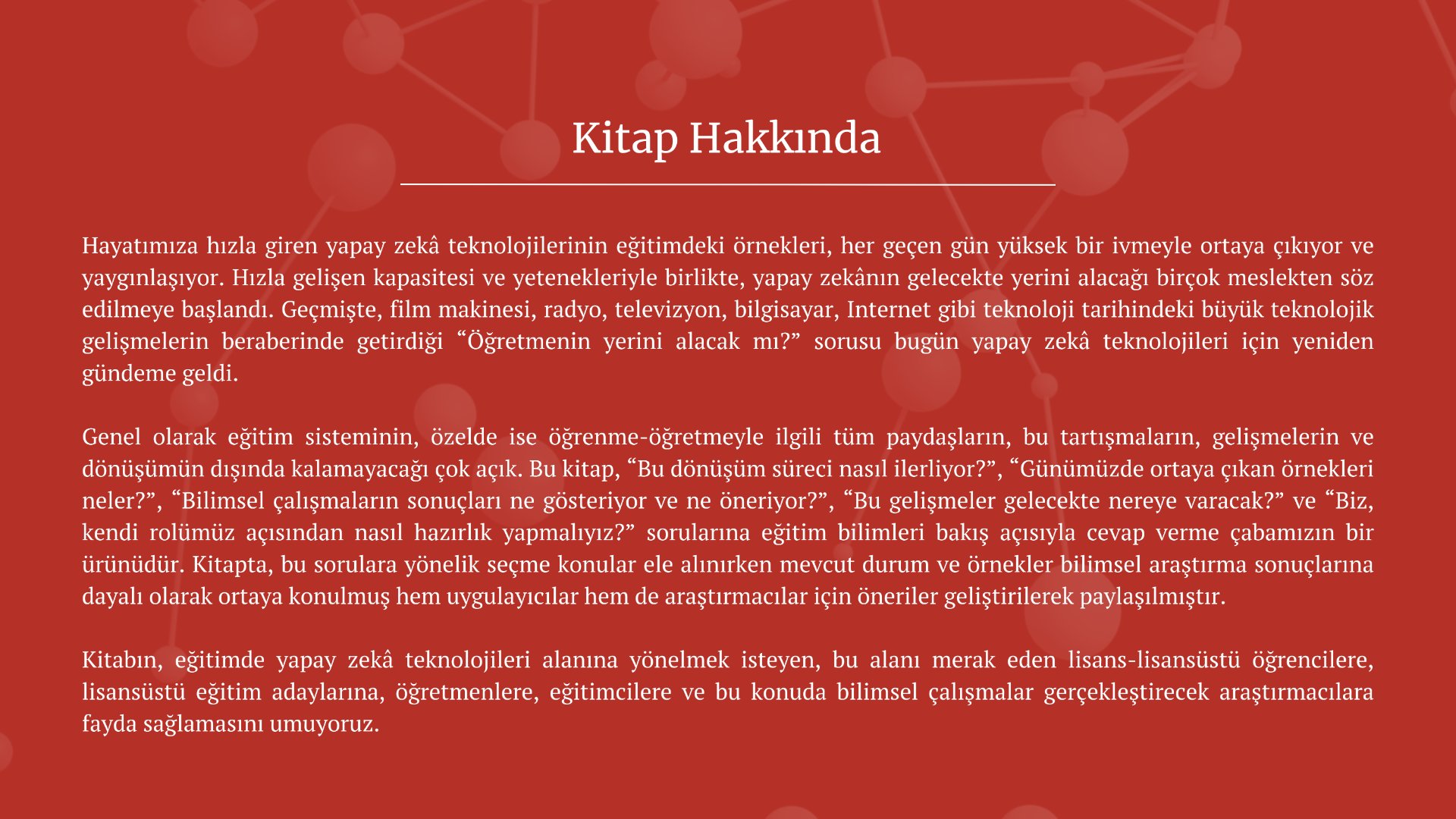
A comprehensive and innovative study on the role of artificial intelligence in education, titled "Artificial Intelligence Technologies in Education," edited by Prof. Dr. Özcan Erkan Akgün, Vice Rector of our university and a faculty member at the Faculty of Educational Sciences, has been published. The book includes a chapter by Sönmez Çelik, Director of the Library Department.
A comprehensive and innovative study on the role of artificial intelligence in education, titled "Artificial Intelligence Technologies in Education," edited by Prof. Dr. Özcan Erkan Akgün, Vice Rector of our university and a faculty member at the Faculty of Educational Sciences, has been published. The book includes a chapter by Sönmez Çelik, Director of the Library Department.
Chapter 11: The Use of Artificial Intelligence in Scientific Research & Ethics
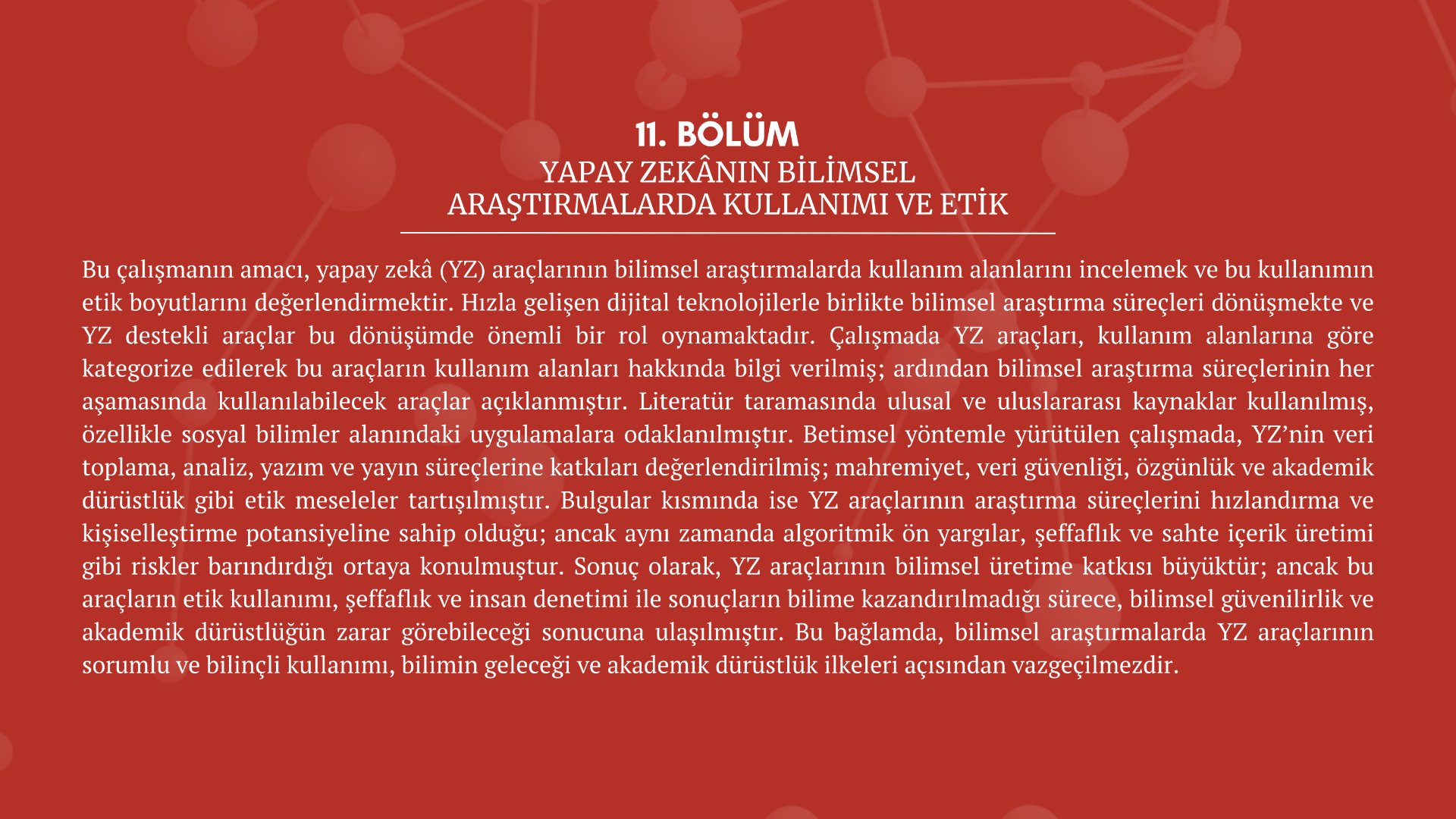
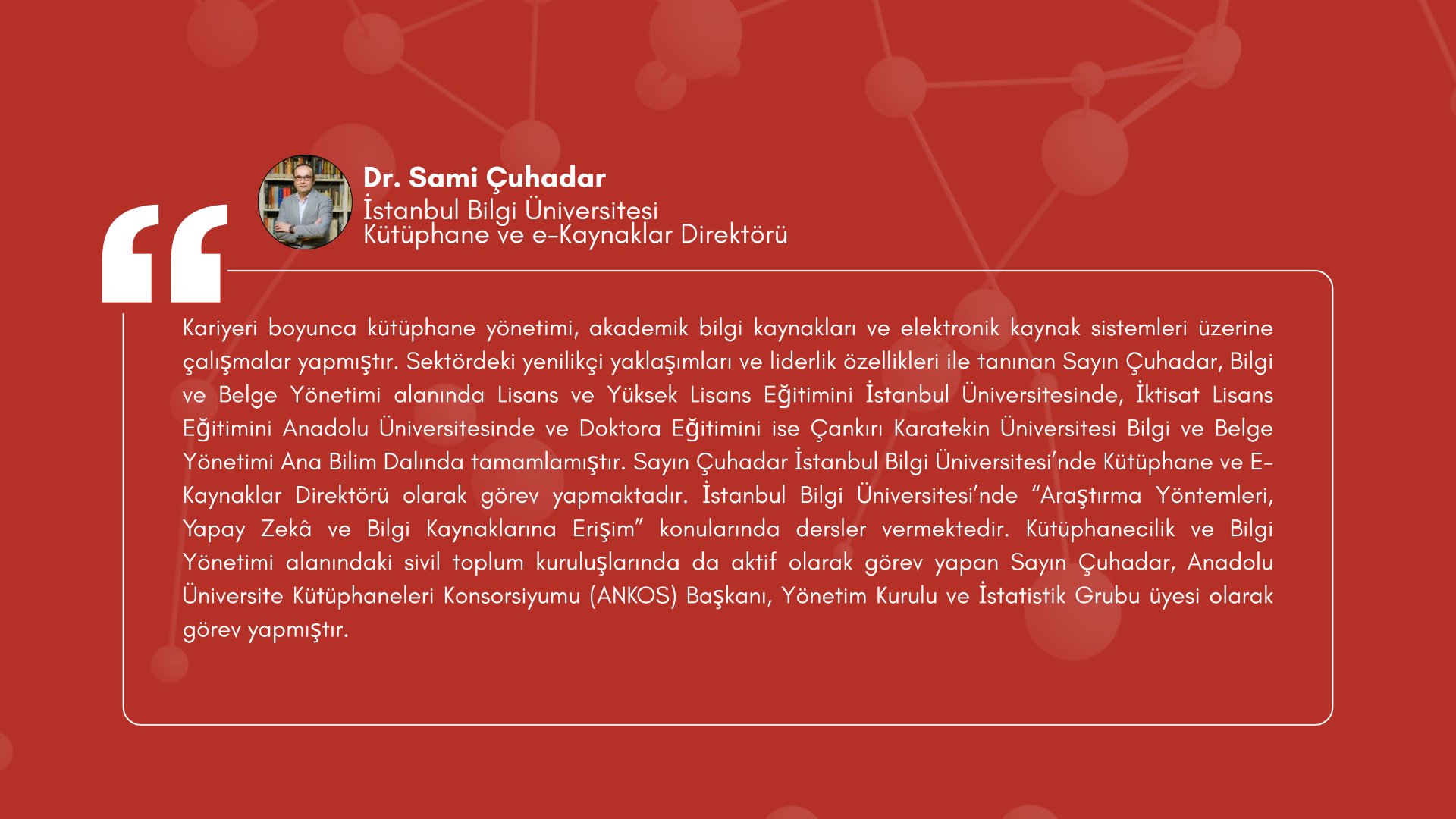
In this section, Sönmez Çelik, Director of the Library Department, and Dr. Sami Çuhadar, Director of the Library and E-Resources Department at Bilgi University, comprehensively examine the role of artificial intelligence tools in scientific research processes and the ethical debates arising from this transformation. While examining the contributions of artificial intelligence to literature reviews, data collection and analysis, and academic writing and publishing processes through examples, evaluations are conducted within the framework of fundamental ethical principles such as academic integrity, data security, privacy, transparency, and human oversight.
The chapter highlights AI’s potential to accelerate and personalize scientific production while also drawing attention to risk areas such as algorithmic bias, the generation of erroneous content, and issues of accountability. In doing so, it offers a balanced perspective that illustrates both the opportunities and limitations for researchers.
Abstract
This study examines the application of AI tools in scientific research and evaluates the ethical implications of their use. As digital technologies advance rapidly, scientific research processes are transforming, with AI-supported tools playing a significant role in this change. This study categorizes AI tools according to their application areas and provides information about these areas. It then explains tools that can be used at every stage of the scientific research process. A literature review was conducted using national and international sources, with a particular focus on applications in the social sciences. Using a descriptive method, the study evaluates AI’s contributions to the processes of data collection, analysis, writing and publication, and discusses ethical issues such as privacy, data security, originality and academic integrity. The findings reveal that, while AI tools have the potential to accelerate and personalize research processes, they also carry risks such as algorithmic bias, a lack of transparency and the production of fake content. In conclusion, while AI tools can significantly contribute to scientific production, it was also concluded that scientific reliability and academic integrity could be compromised unless these tools are used ethically, transparently, and with human oversight, and the results are incorporated into the scientific record. In this context, the responsible and conscious use of AI tools in scientific research is considered indispensable for the future of science and academic integrity. This original study supports the use of artificial intelligence in scientific research and its ethical role, and will contribute to the literature and be of interest to researchers and enthusiasts in the field.
Keywords
Artificial Intelligence and Scientific Research, Artificial Intelligence, Scientific Research and Ethics
To view the DSpace Institutional Repository record for this book chapter, please click here.
Photos
Related Content
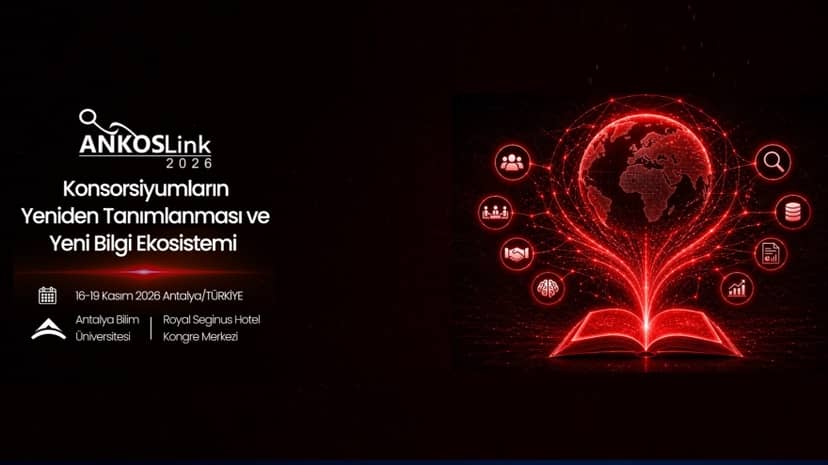
Our University has Qualified to Present Two Poster Presentations at ANKOSLink 2026

The IHU Library was Represented at the ÜNAK 2026 Symposium

The IHU Library was Represented at the YÖKAK International Quality Assurance and Accreditation Conference
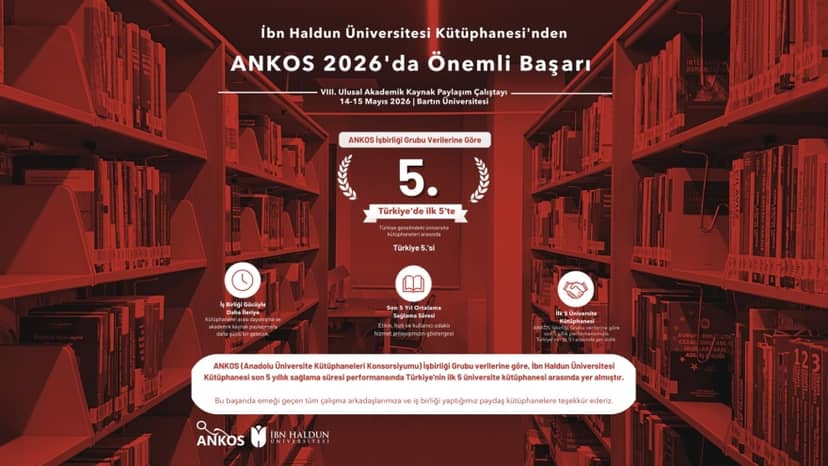
A Major Success for the Ibn Haldun University Library at ANKOS 2026

Ibn Haldun University Library Provided Academic Research Support for the BSG Student Symposium

Ibn Haldun University Library Participated in the 8th National Academic Resource Sharing Workshop
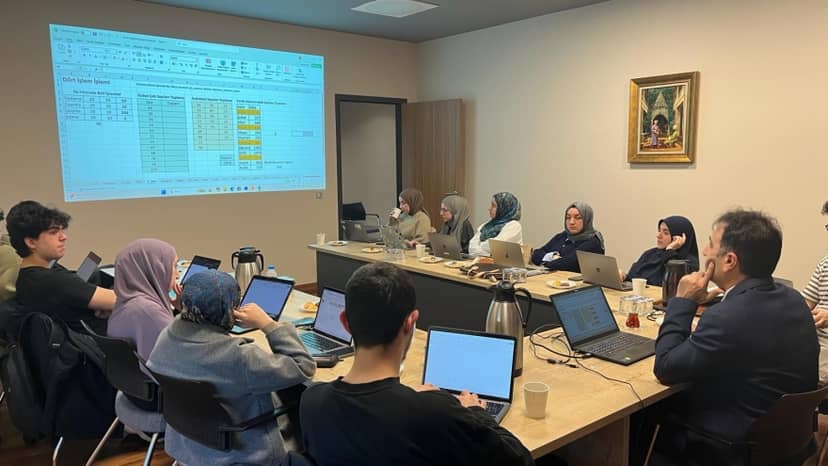
The Microsoft Excel Training Session Held at the Library Attracted Significant Interest from Students
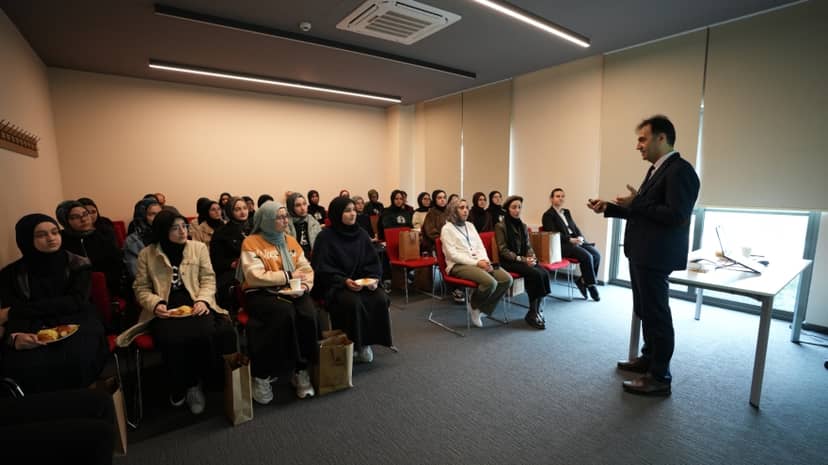
A Seminar on 'Libraries and Artificial Intelligence in University Life' Was Held as Part of the 62nd Library Week